
The Forward March of Time: How Your Teeth Shift as You Age
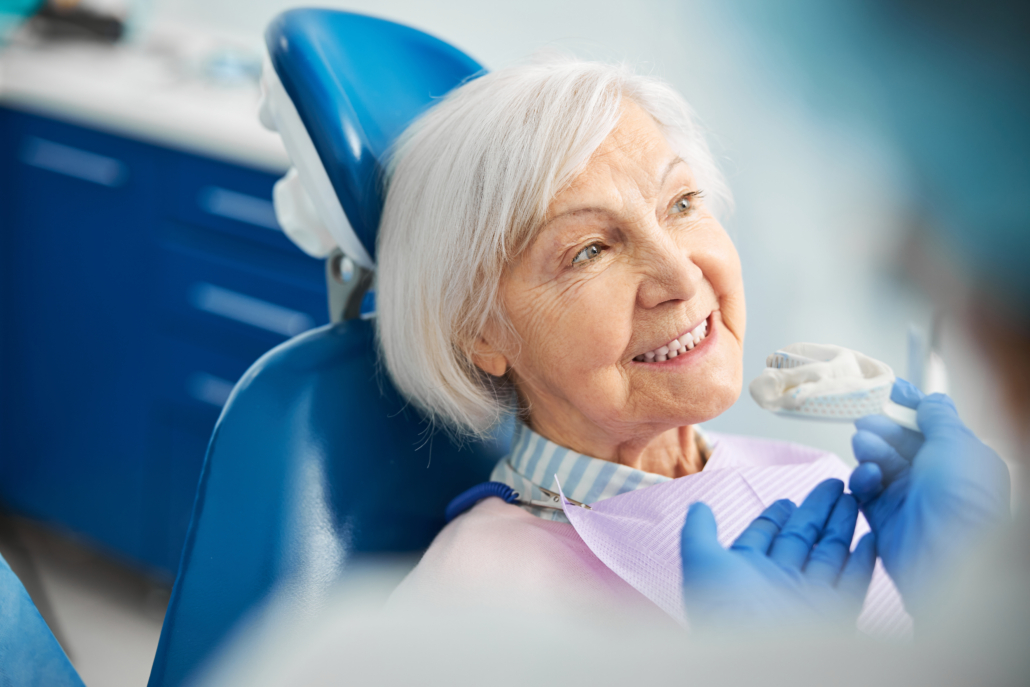
As the years go by we all notice changes in our bodies. Hair grays, skin wrinkles, and teeth change too. It is subtler than the first two, but look closely and you will see your teeth are on a slow journey of their own. At Surf City Smiles we want to explain why teeth shift as you age, and what you can actually do about it.
Understanding the Shift
Teeth are not static. They constantly adapt to the forces applied to them, and aging is one of those forces. The slow forward movement of teeth has a name, mesial drift. It comes from a mix of things, the everyday pressure of your lips, tongue, and cheeks, and the wear and tear teeth take over decades.
Mesial drift tends to show up first in the lower front teeth. As the molars and premolars wear, space gets tighter toward the front, which crowds and rotates the teeth you see most when you smile. It is not only cosmetic either. Crowding changes how your teeth meet and can make them harder to keep clean, which affects your bite and long-term oral health.
The Role of Genetics
Genetics appear to play a role in how much your teeth move as you age. Some people are simply more prone to crowding than others, even with good habits, which is why two people the same age can have very different results. If your teeth have slowly crowded over the years despite regular brushing and flossing, your genes may be part of the story.

How to Correct and Prevent Shifting Teeth
Mesial drift is natural, but you are not stuck with it. There is a lot you can do to straighten teeth that have already moved and to keep them from drifting further.
Braces and clear aligners for teeth that have already shifted
If crowding has already set in, orthodontic treatment is the reliable way to fix it. Traditional braces handle even significant crowding, and clear aligners are a discreet, removable option many adults prefer for milder cases. Which one fits depends on how far your teeth have moved, and that is something an orthodontist can tell you at a first visit.
Retainers to keep your teeth from drifting back
This is the part most people skip, and it is the one that matters most for the long haul. Teeth have a memory and will keep trying to move, which is why wearing a retainer to hold your teeth in place is the single best defense against age-related shifting, whether or not you have had braces before. A retainer worn as directed is what makes straight teeth stay straight.
It is never too late as an adult
Plenty of our patients start treatment in their 40s, 50s, and beyond. Adult orthodontic treatment works the same way it does for teens, and modern options are far more comfortable and low-profile than they used to be. If you are weighing aligners specifically, our team also treats Invisalign in Huntington Beach.
Dr. Carlson and Dr. Nisco evaluate your teeth, explain what is actually happening, and give you a straight answer on whether treatment makes sense for you. Whether you are a teen wanting a straighter smile or an adult noticing new crowding, the plan is built around your goals. Request a free consultation and we will take it from there.
Frequently Asked Questions
Do teeth shift with age even if I had braces as a kid?
Yes. Teeth can drift at any age, and having had braces does not make them immune. Without a retainer, teeth slowly move back toward their old positions, a process called relapse. This is why lifelong retainer wear is the standard recommendation for keeping a straightened smile in place.
Can shifting teeth be fixed without braces?
Often, yes. Mild to moderate crowding from age-related drift can usually be corrected with clear aligners like Invisalign, which are removable and hard to notice. More significant movement may still call for braces. An orthodontist can tell you which option fits your case after a quick evaluation.
How do I stop my teeth from moving as I get older?
The most effective step is wearing a retainer as directed, since it physically holds your teeth in position. Regular dental checkups help catch early crowding, and good daily hygiene keeps the gums and bone that support your teeth healthy, which in turn helps limit unwanted movement over time.
References
- Smith, P., & Kieser, J. A. (1996). The aging of the human anterior dentition. Journal of Dental Research, 75(4), 802-806.
- Johal, A., Katsaros, C., & Kuijpers-Jagtman, A. M. (2008). Mesial drift in the lower dentition, what is the evidence? A systematic review. Journal of Orthodontics, 35(3), 229-234.

