
How to Choose the Best Orthodontist in Westminster for Your Smile

Wondering what actually separates a great orthodontist from the rest? The right orthodontist combines specialized training, modern treatment options, and a genuine commitment to your comfort throughout the process. This guide walks you through what you need to know, from understanding what orthodontists actually do to comparing treatment types and evaluating what makes a practice stand out.
If you’re exploring options for yourself, your teen, or your child, knowing what to look for helps you make a confident decision. Let’s break down the essentials.
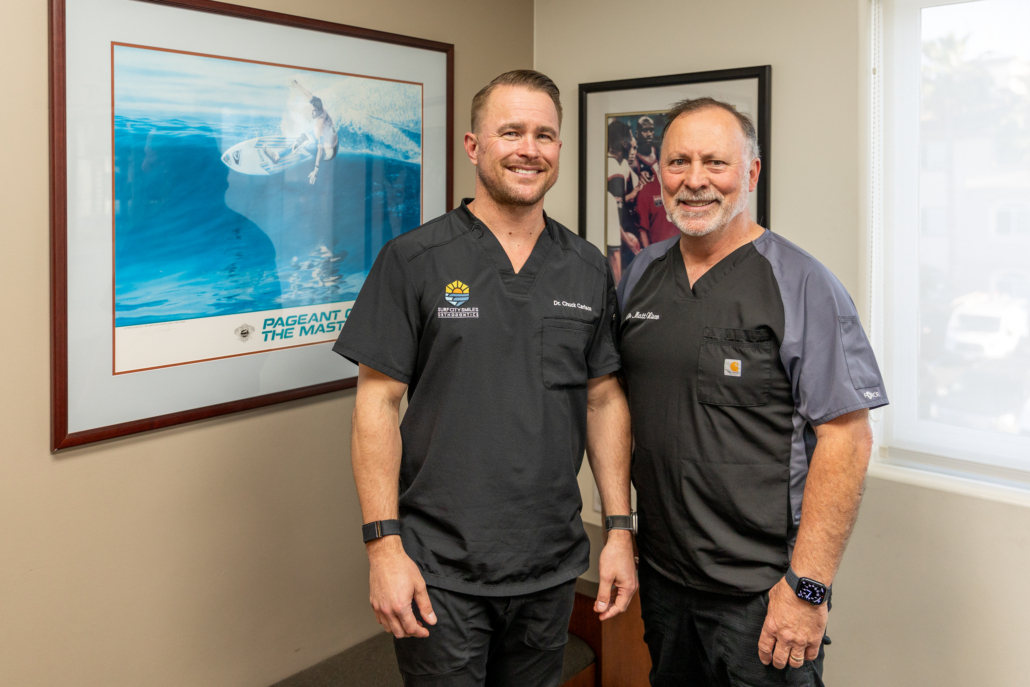
What Is an Orthodontist and What Do They Do?
An orthodontist is a dental specialist who completes two to three years of advanced training beyond dental school, focusing exclusively on tooth movement, bite correction, and jaw alignment. This focused education covers the precise mechanics of how teeth shift and how facial structures develop over time.
While general dentists handle cleanings, fillings, and overall oral health, orthodontists zero in on alignment issues. They diagnose and treat crooked teeth, crowded smiles, overbites, underbites, crossbites, and spacing concerns. Their daily work centers on moving teeth safely into healthier, more functional positions.
Common treatments include:
- Classic metal braces
- Clear ceramic braces
- Clear aligners
- Hidden (lingual) braces placed behind teeth
- Early treatment for children with developing bite issues
Board-certified orthodontists have demonstrated mastery through rigorous examination beyond their DDS and MS degrees. This certification signals a commitment to the highest standards in the field and a willingness to be measured against peers. When you see a board-certified credential, you’re looking at a specialist who has gone above and beyond the baseline requirements to practice orthodontics.
How the Orthodontic Treatment Process Works
Orthodontic treatment follows a clear, predictable path from your first visit through your final retainer check. Understanding each phase helps you know exactly what to expect.
Step 1: Free Consultation
Your first visit includes a thorough exam, digital X-rays, and often 3D scans of your teeth. This visit is typically complimentary and gives your orthodontist a complete picture of your bite and alignment.
Step 2: Personalized Treatment Plan
Based on your exam results and smile goals, your orthodontist creates a custom plan. You’ll learn which treatment options fit your case, how long treatment should take, and what the investment looks like.
Step 3: Active Treatment
Whether you choose braces or clear aligners, active treatment typically lasts 6 to 24 months depending on complexity. Your teeth gradually shift into their ideal positions during this phase.
Step 4: Regular Progress Visits
You’ll return every 4 to 8 weeks for adjustments or to pick up new aligner trays. These quick visits keep everything on track.
Step 5: Retention Phase
Once your braces come off or your aligners finish, you’ll wear retainers to maintain your results. Retainers keep teeth from drifting back to old positions.
Benefits of Seeing a Top Orthodontist in Westminster
Working with a skilled orthodontist in Westminster delivers advantages that extend well beyond straight teeth. Here’s what you gain:
How Does Specialist Training Improve Outcomes?
Orthodontists understand the precise forces needed to move teeth safely and efficiently. Their focused training, including board certification and DDS/MS credentials, means fewer complications and better outcomes than general dental approaches.
What Health Benefits Come With Straighter Teeth?
Straight teeth are easier to brush and floss. Proper alignment reduces your risk of cavities, gum disease, and uneven enamel wear. Correcting your bite also eases jaw strain, reduces headaches, and makes chewing more comfortable day to day.
More benefits worth knowing:
- Confidence that shows up everywhere: A balanced, beautiful smile changes how you feel in photos, conversations, and first impressions. Many patients say this change affects their entire outlook on life.
- Modern tools that work: Top practices use 3D imaging, digital treatment planning, and the latest aligner systems. These tools create more precise results in less time, and they make the whole experience easier on you.
Comparing Treatment Options: Braces vs. Clear Aligners
Choosing between braces and aligners depends on your specific case, lifestyle, and aesthetic preferences. The four main orthodontic treatment options differ in visibility, investment, and suitability for different cases. Here’s how they stack up:
| Treatment Type | Visibility | Best For | Considerations |
|---|---|---|---|
| Classic Metal Braces | Most visible | Complex cases, severe crowding, significant bite issues | Most durable and budget-friendly; ideal for teens |
| Clear Ceramic Braces | Subtle (tooth-colored) | Moderate cases with aesthetic concerns | Blend with teeth; slightly more fragile than metal |
| Hidden (Lingual) Braces | Invisible (behind teeth) | Adults wanting fully concealed treatment | Custom-made; adjustment period for speech |
| Clear Aligners | Nearly invisible | Mild to moderate alignment issues | Removable for eating and brushing; requires discipline |
Clear aligners give you the freedom to eat whatever you want and maintain your normal brushing routine. They do require wearing the trays most of the day and night for best results, generally guided by your orthodontist’s recommendation.
Classic braces remain the top choice for complex corrections because they give your orthodontist maximum control over tooth movement. Many teens actually enjoy choosing colorful bands at each visit, turning what could feel clinical into something fun.
Your orthodontist will recommend the best option for your specific situation during your free consultation.
What Affects the Investment in Orthodontic Treatment?
The investment in orthodontic treatment depends on four main factors: case complexity, treatment duration, treatment type, and provider experience. Simple spacing concerns require less than severe crowding. Shorter timelines cost less than long ones. Classic braces typically run lower than hidden braces or premium aligner systems. Board-certified specialists with advanced technology may price differently than basic providers.
Diving deeper, case complexity plays the biggest role. A patient with mild crowding will have a very different experience than someone correcting a significant bite issue. Treatment duration follows naturally from that: a 12-month case represents a smaller investment than one requiring 24 months of active treatment.
Treatment type matters too. Classic metal braces typically represent the most accessible option, while hidden braces and some aligner systems run higher due to customization. Provider experience and technology also factor in, since board-certified orthodontists in Westminster who use advanced imaging and digital planning tools may price differently than providers with basic setups.
The good news? Many practices offer flexible payment options to make treatment accessible for Westminster families. A free consultation lets you understand exact pricing before making any commitment. Most dental insurance plans also include orthodontic coverage that can significantly offset your out-of-pocket investment.
Who Is a Good Candidate for Orthodontic Treatment?
Orthodontic treatment works for patients across all age groups. Here’s who benefits most:
Children (ages 7+)
The American Association of Orthodontists recommends an initial evaluation by age 7. At this point, enough permanent teeth have emerged to spot developing issues. Early treatment can guide jaw growth and create space for incoming teeth, potentially simplifying later treatment. Westminster families often start exploring options around this age.
Teens
Adolescence is the most common time for braces or aligners. Permanent teeth are in place, and jaws are still growing, making this an ideal window for correction.
Adults
You are never too old to improve yourself! Adults of any age can achieve straighter teeth with today’s discreet options. Many adults choose clear aligners or ceramic braces for a subtle look during treatment, fitting orthodontics into busy professional and family lives.
Basic requirements for all candidates:
- Healthy teeth and gums (cavities and gum disease should be treated first)
- Commitment to following treatment instructions
- Realistic expectations about timeline and results
A virtual smile assessment can quickly help determine if you’re a good candidate before scheduling an in-person visit.
Frequently Asked Questions
How do I know if I need an orthodontist vs. a dentist?
See your general dentist for cleanings, fillings, and overall oral health. Visit an orthodontist specifically for alignment issues, bite concerns, or spacing matters. Many dentists refer patients to orthodontists when they notice issues that call for specialized treatment from a board-certified specialist.
How long does orthodontic treatment take?
Most treatment plans last between 12 and 24 months, though simple cases may finish in 6 months and complex cases may take longer. Your orthodontist will give you a realistic timeline during your initial visit based on your specific needs and goals.
Are clear aligners as effective as braces?
For mild to moderate cases, clear aligners achieve excellent results comparable to braces. Complex cases involving significant bite correction or severe crowding often respond better to classic braces. At Surf City Smiles, our team helps you weigh the trade-offs so the choice fits your lifestyle.
What should I look for when choosing an orthodontist?
Look for board certification, which indicates advanced training and examination beyond dental school. Consider the range of treatment options offered, the technology used, and how comfortable you feel with the team. Reading reviews and visiting the practice in person helps you get a feel for the culture and people.
Does orthodontic treatment hurt?
Most patients feel mild pressure or soreness for a few days after adjustments or when starting new aligner trays. This sensation is temporary and manageable with over-the-counter relief. Modern brackets and wires are far more comfortable than older designs from years past.
Can adults still get braces or aligners?
Absolutely. Healthy teeth can be moved at any age. Many orthodontic issues can be corrected just as easily for adults as for children. Clear aligners and ceramic braces offer discreet options that fit professional and social lifestyles. The team at Surf City Smiles sees adult patients regularly who are finally getting the smile they’ve always wanted.
Making Your Decision With Confidence
Choosing the right orthodontist sets the foundation for a smile you’ll love for years to come. Take the time to research credentials, ask questions during a free consultation, and trust your instincts about the team and practice environment. A board-certified orthodontist with modern technology, flexible payment options, and a welcoming team gives you the best shot at an experience that feels fun, rewarding, and as stress-free as possible. When all those pieces line up, you’re well on your way to the smile you’ve always wanted.

